
The Allure of Chance
The thrill of chance is a fundamental aspect that draws players into the world of casino games. Each time a player places a bet, they are not just risking their money; they are engaging in a psychological interplay with uncertainty. This element of unpredictability is deeply ingrained in human nature, as the brain often perceives excitement in what lies ahead, especially when considering australian betting sites that offer unique betting opportunities and features. Research has shown that the anticipation of a win can trigger the release of dopamine, a neurotransmitter associated with pleasure. This creates a reward system that not only encourages continued play but also reinforces the desire to seek out new gaming experiences.
The idea of winning big can lead players to develop cognitive distortions regarding their chances of success. Many casino games are intentionally designed to enhance this illusion of control. For example, when a player pulls the lever on a slot machine, they may feel a sense of agency over the outcome, despite the reality that the result is entirely random. This psychological manipulation deepens the allure of chance and often leads to longer gaming sessions, as players become entranced by the prospect of hitting the jackpot.
Moreover, the phenomenon of near-wins plays a crucial role in maintaining player engagement. When players come close to winning—such as hitting a combination that is just shy of a payout—they experience an emotional rush akin to success, which can sometimes be more thrilling than an actual victory. This illusion of almost winning can create a powerful incentive to continue playing, as individuals often find themselves chasing these fleeting moments of exhilaration, hoping to replicate that euphoric feeling.
The Role of Environment
The physical setting of a casino is crafted with precision, playing a pivotal role in shaping the psychological experience of gaming. From the moment players step inside, they are enveloped in a meticulously designed atmosphere intended to evoke excitement and prolong their stay. The use of vibrant colors, dazzling lights, and enticing sounds creates a sensory overload that stimulates the brain, encouraging individuals to engage with the games. This strategic design can invoke feelings of euphoria and urgency, often placing players into a state of flow where they become completely absorbed in the gaming experience.
Furthermore, the layout of the casino is intentionally constructed to maximize exposure to various games. The arrangement of slot machines and gaming tables creates a winding path that naturally draws players in, encouraging exploration. This not only increases the likelihood of continued play but also enhances the sense of adventure, making the experience more enjoyable. Players may feel compelled to try new games or revisit beloved favorites, all while being captivated by the engaging environment that surrounds them.
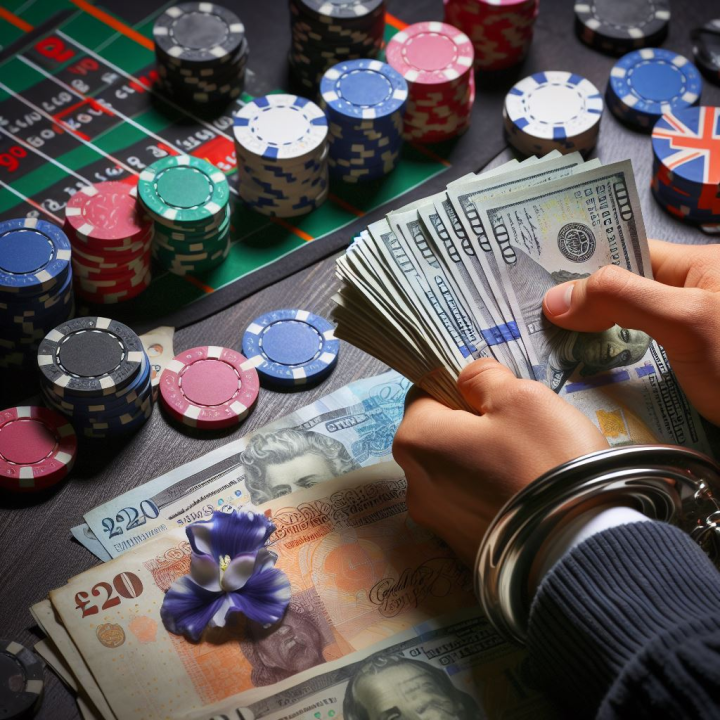
Social interactions within the casino environment also significantly enhance the gaming experience. Communal areas provide spaces where players can gather, share stories, and celebrate wins together. This sense of community adds a layer of psychological impact, as individuals often find joy in shared experiences. The presence of other players can amplify the thrill of competition and reinforce the desire to participate, creating an addictive cycle of engagement driven by both personal and collective psychology.
Behavioral Economics of Gambling
The psychology of casino games is intricately woven into the principles of behavioral economics, which study how psychological factors affect decision-making processes. One critical concept is loss aversion, which suggests that players experience the pain of losing money more acutely than the pleasure derived from winning an equivalent amount. This phenomenon drives players to chase their losses, compelling them to gamble even more in a bid to recover their funds. Understanding this dynamic sheds light on why individuals often make irrational betting choices, sometimes continuing to play even after substantial losses.
In addition, casinos exploit various cognitive biases, including the gambler’s fallacy, where players mistakenly believe that past outcomes influence future results. For example, if a player observes a string of losses on a particular machine, they might erroneously conclude that it is “due” for a win, leading to increased betting. This misinterpretation of probability and randomness perpetuates gambling behaviors, making it difficult for players to recognize when they are acting on flawed reasoning.
Moreover, the sunk cost fallacy significantly impacts gambling behavior. Players may continue to invest money into a game, believing that they have already committed too much to quit, regardless of their actual chances of winning. This psychological trap can lead to extended gaming sessions and considerable financial losses, as players strive to reclaim previous investments, often unaware of the dangerous financial implications. By understanding these biases, individuals can cultivate a more informed approach to their gambling habits, potentially mitigating the risks involved.
The Emotional Rollercoaster of Winning and Losing
The emotional landscape of casino games is profound, as players navigate a spectrum of feelings throughout their gaming experiences. Winning can elicit euphoric responses, often causing players to feel a rush of joy and validation. This high can lead to increased emotional investment in subsequent gaming sessions, as individuals chase the exhilarating sensations associated with their victories. The connection between emotions and outcomes reinforces the psychological hold that gambling can exert on participants, often blurring the line between entertainment and obsession.

Conversely, losing can be an emotionally taxing experience, frequently resulting in feelings of frustration and disappointment. Many players struggle to reconcile their emotions with their gambling activity, particularly after experiencing a series of losses. This emotional turmoil can perpetuate a cycle of chasing losses, as individuals seek redemption and the restoration of their self-esteem. Recognizing how emotions influence gambling behavior is crucial for maintaining a healthy perspective on gaming, enabling players to set appropriate boundaries and avoid the pitfalls of excessive play.
Furthermore, the casino atmosphere can amplify these emotional highs and lows. Crowds celebrating wins or commiserating over losses can significantly impact individual players’ emotional states, heightening the overall intensity of the experience. Casinos capitalize on these dynamics by creating vibrant environments during pivotal moments, further influencing players’ emotions in response to their outcomes. Acknowledging these emotional factors can help players maintain balance and clarity while navigating the exhilarating yet precarious landscape of gaming.
Understanding Responsible Gaming
Given the potent psychological dynamics at play in casino gaming, comprehending the importance of responsible gaming is essential. Responsible gaming promotes a balanced approach to gambling, ensuring that players engage in the activity safely and healthily. Awareness of the psychological triggers associated with gambling empowers individuals to recognize when their behavior may be slipping into dangerous territory. This self-awareness is a critical component of responsible gaming, as it encourages players to set limits and adhere to them, fostering a more mindful approach to their gaming experiences.
Casinos and gaming organizations are increasingly prioritizing responsible gaming initiatives, offering resources and support for players who may be grappling with their gambling habits. These initiatives include tools for self-assessment, deposit limits, and the option to take breaks from gaming altogether. By providing these options, casinos encourage players not only to enjoy the exhilarating experiences they offer but to do so with mindfulness. This approach helps mitigate the risk of addiction while fostering a healthier relationship with gambling activities.
In conclusion, understanding the psychology behind casino games is crucial for both players and the gaming industry. By recognizing the psychological elements at play, players can approach gambling with greater awareness, ultimately leading to a safer and more enjoyable experience. While the casino environment can be thrilling and captivating, prioritizing well-being above all else is vital, ensuring that gaming remains a source of entertainment rather than a cause for distress or financial hardship.

